World Gastronomic Region 2026 launches a webinar series on Food Sovereignty

The new presidency of the Ecuadorian province of Manabí within the ORU Fogar Working Group on Food Sovereignty has begun its mandate with a first webinar intended to mark the start of an ambitious global technical exchange series on the subject. The series aims to share successful regional solutions and highlight interregional cooperation to address challenges such as food waste and the sustainability of the agri-food system. The first session also provided an opportunity to delve deeper into Manabí’s roadmap, as this year it holds the title of World Gastronomic Region 2026.
During the webinar, Prefect Leonardo Orlando presented the plan “Manabí Gastronomía Milenaria,” which has a projected investment of 18.3 million dollars between 2025 and 2029. This five-year plan is structured around five strategic pillars that, through the food sector, seek both to enhance cultural heritage and to promote rural development, all aligned with the Sustainable Development Goals. These efforts will culminate in October with the Grand World Gastronomy Summit to be held in Portoviejo. The event will bring together global leaders, chefs, producers, and cultural innovators to discuss sustainability, food sovereignty, and heritage.
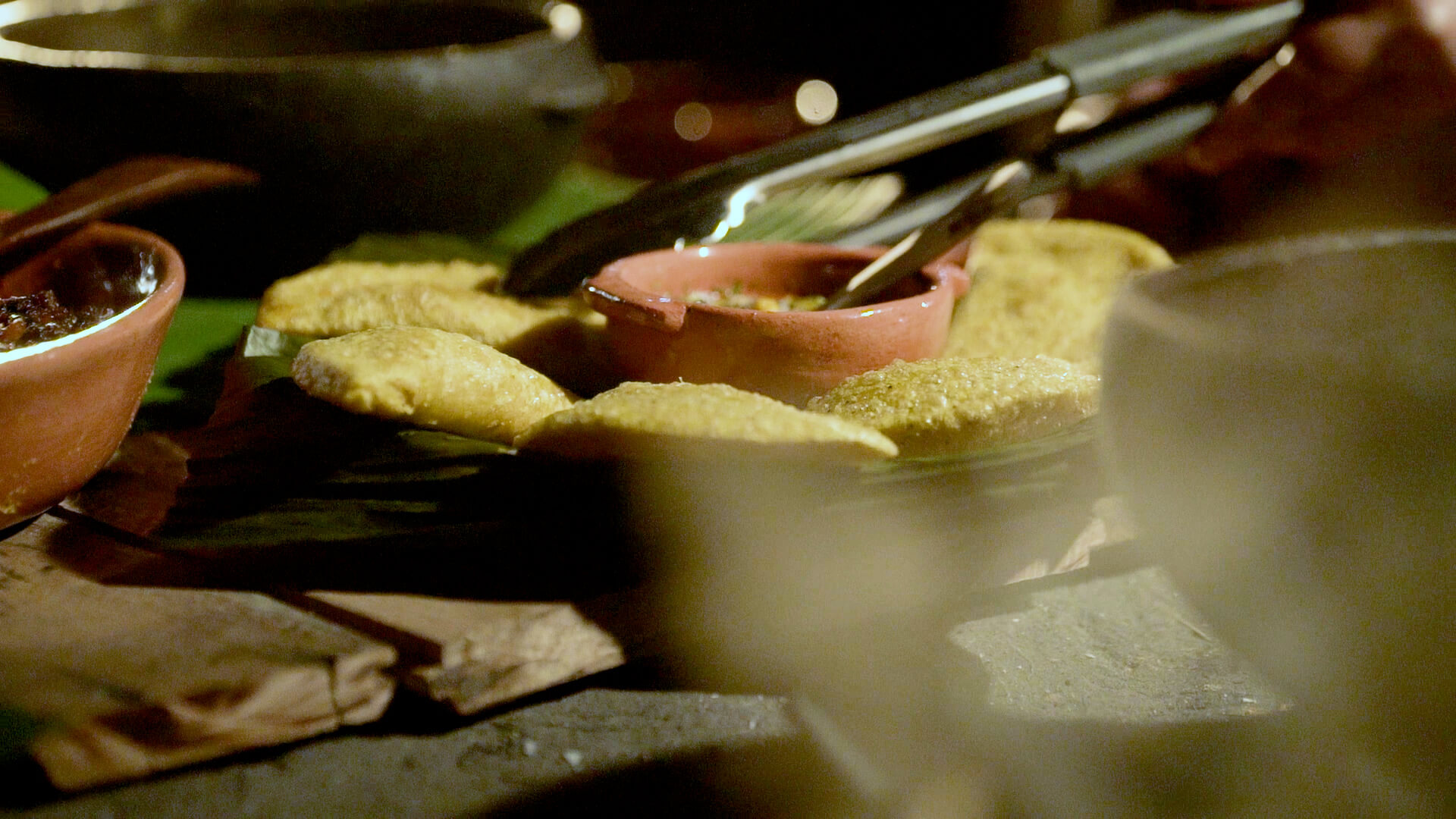
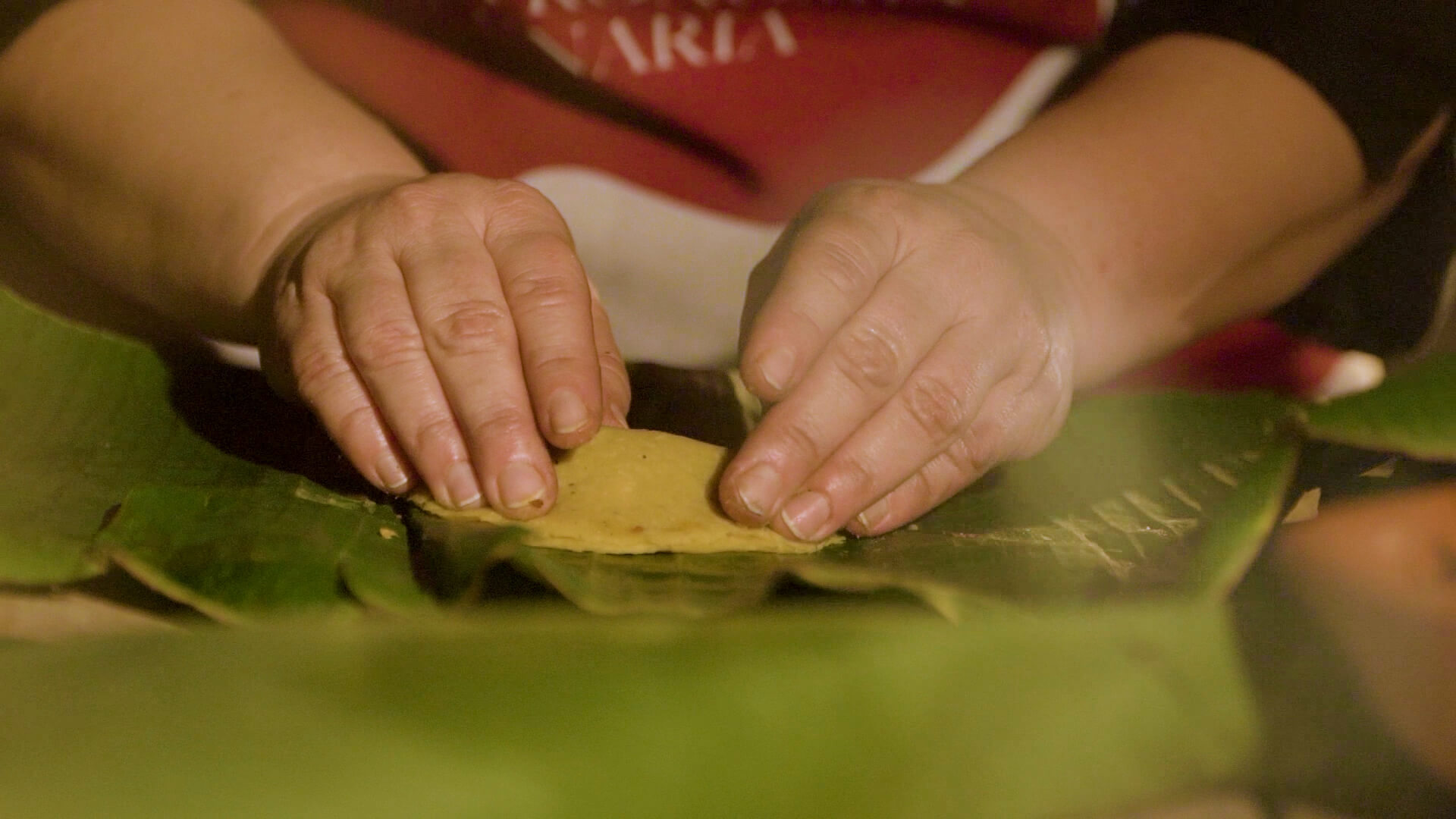
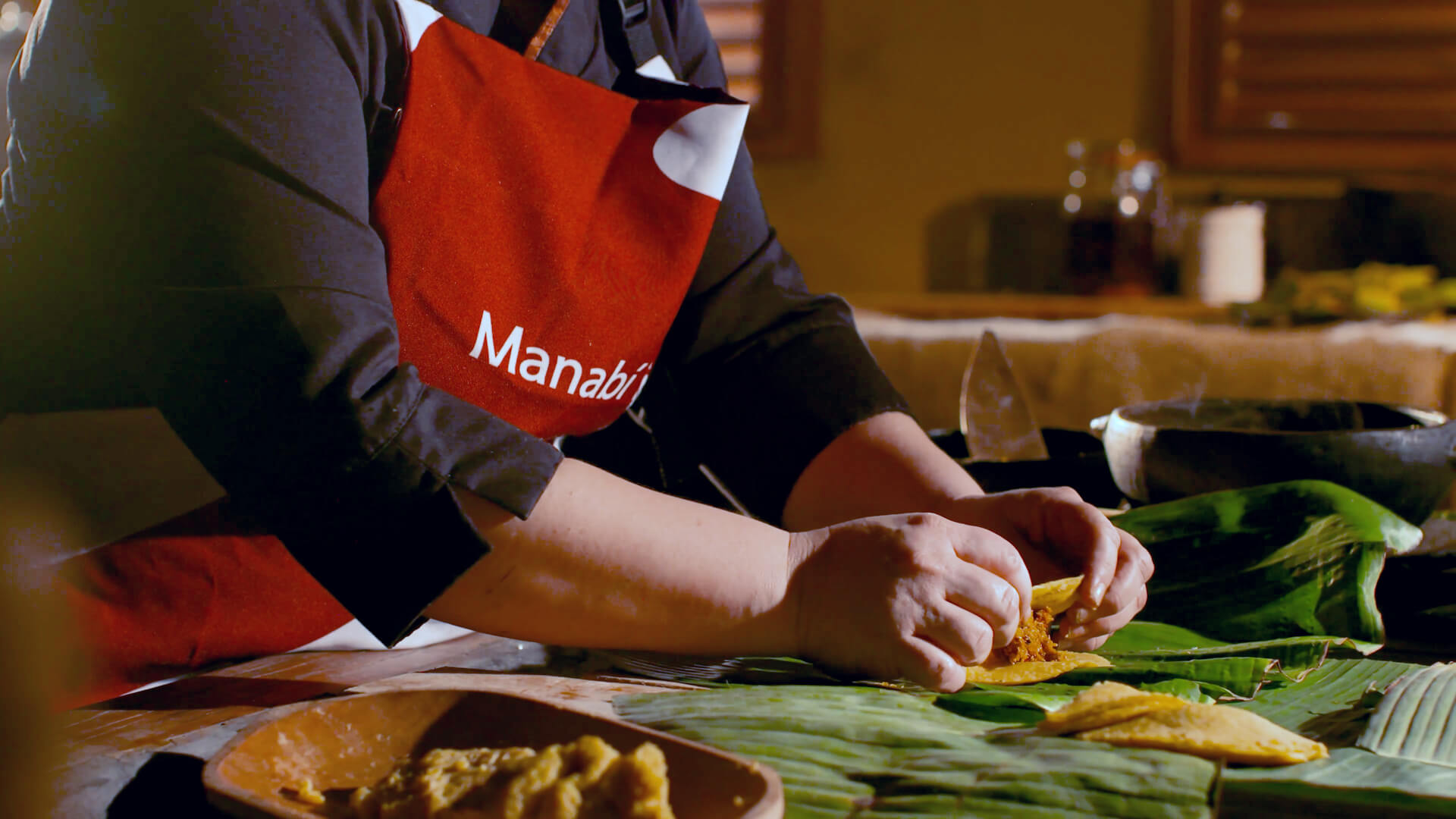
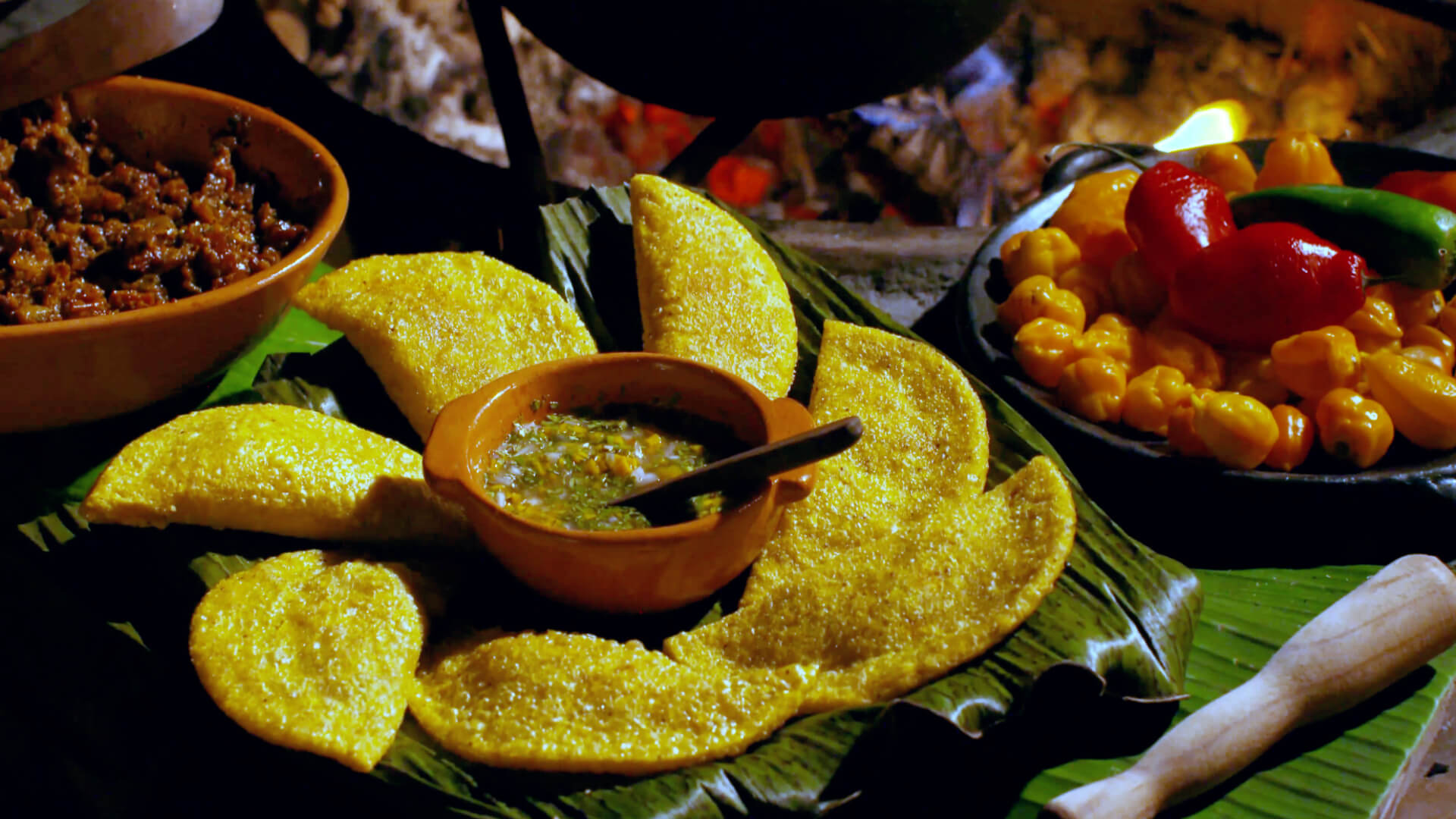
Leonardo Orlando emphasized that the plan is deeply rooted in a territory with 1.7 million inhabitants that is the world capital of tuna and the country’s leading producer of bananas and cattle. He referred to an “ancestral” cuisine and stated that being World Gastronomic Region 2026 will enable traditional cooks to connect with young chefs, expressing his hope for modernization and a major boost for Manabí’s cuisine.
The prefect also underscored the importance of sustainability and the circular economy in his plans, citing as an example the use of fishing by-products (such as shrimp remains) to reduce food waste. On the social front, he highlighted the impact of more than 200 production schools benefiting 8,000 producers, as well as the significant increase in women’s participation in agri-food projects, which has risen from 10% to nearly 40%. Finally, he detailed efforts to have Manabí’s gastronomy and agri-food landscape recognized as Intangible Cultural Heritage by UNESCO and invited participants to the Second World Gastronomy Summit.
The meeting included, among others, the participation of Arantza Madariaga, Director of ELIKA, the Basque Foundation for Food Safety; Jesús Arce from the Regional Commonwealth of the Andes of Peru; and Matías Sotomayor, President of the Parliamentary Front Against Hunger of PARLASUR (MERCOSUR Parliament).
A second webinar of the ORU Fogar Working Group on Food Sovereignty will take place in April, presenting another best practice.