How traditional gastronomy drives tourism and the primary sector
Miren Arantza Madariaga Aberasturi
Director of Elika – Basque Foundation for Agri-Food Safety
Former Director of the Basque Tourism Agency BASQUETOUR
Basque Government
Traditional gastronomy has become one of the most powerful tools for revitalizing territories, attracting visitors, and strengthening the primary sector. In regions such as Euskadi Basque Country, this model has consolidated over the years as an example of balance between cultural identity, local economy, and sustainability. Its success lies in gastronomy’s ability to connect three worlds: culinary culture, tourism, and local production, creating a system that generates social, economic, and territorial value.
Gastronomy as a Tourism Driver
In recent decades, gastronomic tourism has grown steadily. In Euskadi Basque Country, gastronomy is one of the main motivations for tourists, particularly international visitors. Together with the Guggenheim Museum, gastronomy is one of the region’s main tourist attractions.
Statistics show a steady increase in tourist arrivals, especially international visitors, who already outnumber domestic tourists during several months of the year. This increase reflects not only interest in traditional destinations but also a trend toward seasonality reduction, with higher visitor flows outside the summer months.
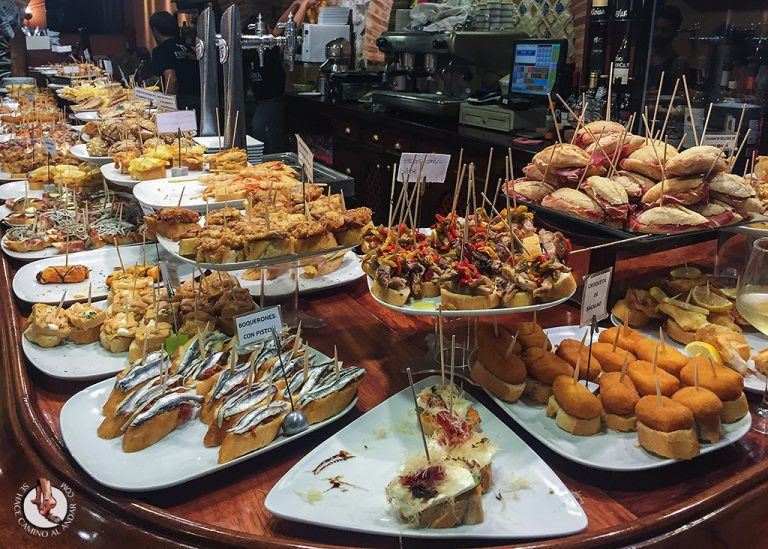
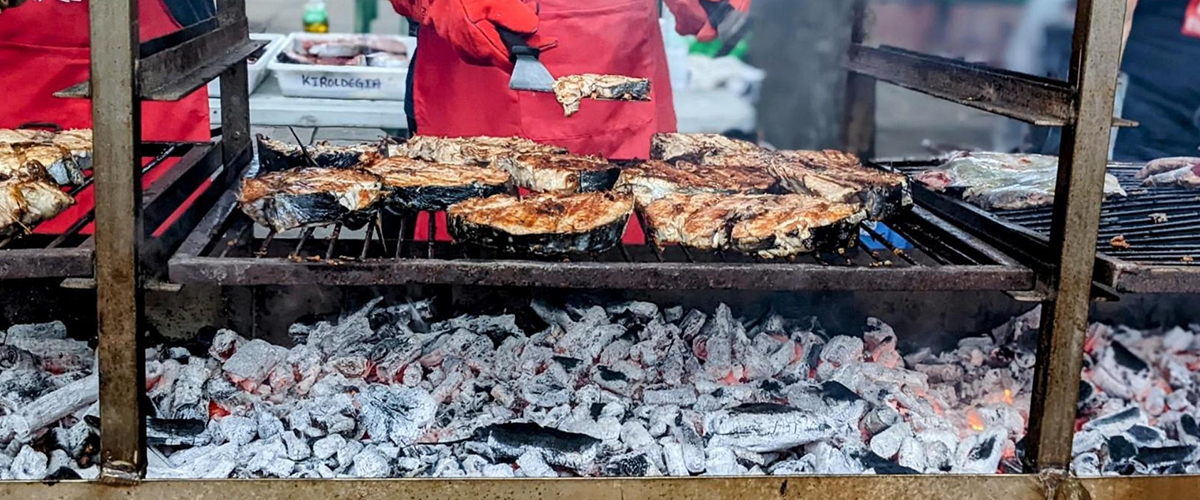
The culinary experience has therefore become a distinguishing element that allows travelers to discover a territory through its cuisine, its markets, its wineries, or its pintxo routes. It is not only about eating well—Euskadi has always been famous for that—but about experiencing a culture and a history closely linked to the territory.
Preserving Identity Through Taste
Traditional gastronomy acts as a vehicle for cultural transmission. A typical dish is not only a recipe; it is a story that allows us to understand the sea, the mountains, the customs, the ancestral techniques, and to participate in the transmission of knowledge between generations.
However, transmission between generations necessarily involves innovation. One of the best examples of this is the New Basque Cuisine movement, promoted from the 1970s by figures such as Arzak and Subijana, who combined tradition and innovation without losing the cultural essence of the territory. Their impact positioned Euskadi as an international benchmark and strengthened the tourism appeal linked to its cuisine.
Today, this legacy continues thanks to a strong network of hospitality schools which, together with the Basque Culinary Center, ensure the continuity of culinary knowledge and train professionals capable of continuing to champion local products.
The Role of the Primary Sector: The Foundation of Everything
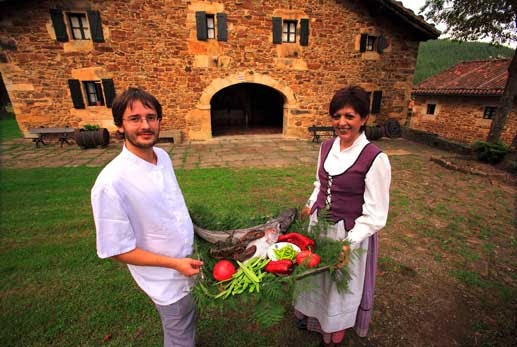
However, without high-quality local products and a primary sector capable of producing them, there can be no distinctive gastronomy. Without a strong primary sector, there can be no solid gastronomy. Traditional cuisine depends on fresh local products: fish from the Cantabrian Sea, vegetables from local gardens, Tolosa beans, Gernika peppers, sheep’s milk cheeses, cider, and wines with their own identity such as txakoli. This richness of raw materials is one of the pillars of Euskadi’s tourism appeal.
Highlighting the value of these products—as essential ingredients of a thriving gastronomy—has helped maintain local production, which has been declining due to the abandonment of agricultural activities by younger generations who often choose to work in industry or services, the main economic sectors in Euskadi and those offering better working conditions.
In recent years, the commitment to organic and sustainable production has increased the quality and prestige of these products, strengthening their market value and tourist appeal. Efforts have also been made to promote products with the Basque label or Protected Designation of Origin (PDO), which not only guarantee quality but also position local producers as an essential part of the visitor experience. This link between gastronomy and territory drives a circular economy: what is consumed in bars, restaurants, and markets is produced just a few kilometers away, generating employment and helping sustain rural populations.
This has also led visitors to want to discover where and how these products are produced, creating new experiences such as visits to wineries, farms, and cheese dairies, as well as gastronomic routes that connect tourists more directly with the territory and its producers. These initiatives diversify producers’ activities and become tourism products with greater added value.
A Model That Generates Economic Impact
The growth of tourism in Euskadi has had a direct impact on the regional economy. In 2024, the trend continued, reaching a cumulative increase of 31.1% compared to 2019.
These figures reflect not only more visitors but also higher levels of spending, particularly in restaurants, local products, and gastronomic experiences.
Gastronomic tourism is also characterized by visitors with higher average spending who are more interested in the quality and authenticity of products.
Gastronomy, Territory, and the Future
When traditional gastronomy is managed as a tourism resource, it can become a powerful tool to:
- Preserve culture and traditional recipes.
- Highlight the value of the primary sector and its workers.
- Promote sustainable practices that protect the environment.
- Create employment in both rural and urban areas.
- Strengthen territorial identity and its international projection.
In a globalized world where many destinations compete to attract visitors, the difference lies in authentic experiences. Traditional gastronomy, far from being an element of the past, becomes a strategic asset capable of inspiring travel, boosting entire sectors, and protecting what makes a territory unique.
However, for this strategy to be sustainable over time, it must be authentic and not artificially created. A gastronomic destination truly becomes one when visitors can breathe in its food culture, when it represents a genuine cultural immersion, and when it is accessible to everyone—from those who visit a three-Michelin-star restaurant to those who enjoy a menu in a village tavern or taste the famous pintxos in any town or city. This is where the success of Euskadi Basque Country as a gastronomic tourism destination lies.
The products, recipes, stories, places, landscapes, and people are all part of a heritage that must be preserved and shared—what differentiates us and makes us unique. Visitors should leave fascinated and emotionally moved, to the point that they never forget our flavors and aromas.
It is a model that can be replicated in regions or territories that possess these same attributes: culinary culture, authenticity, and people committed to maintaining their traditions while adapting them to changing times.